Recently, I wrote a rebuttal to the “sickfluencer” story, defending patients who share their illness online. I stand by it. Those stories helped me when I was desperate for answers. On the other hand, I can’t defend patient voices and stay quiet about the people who prey on us in the same space.
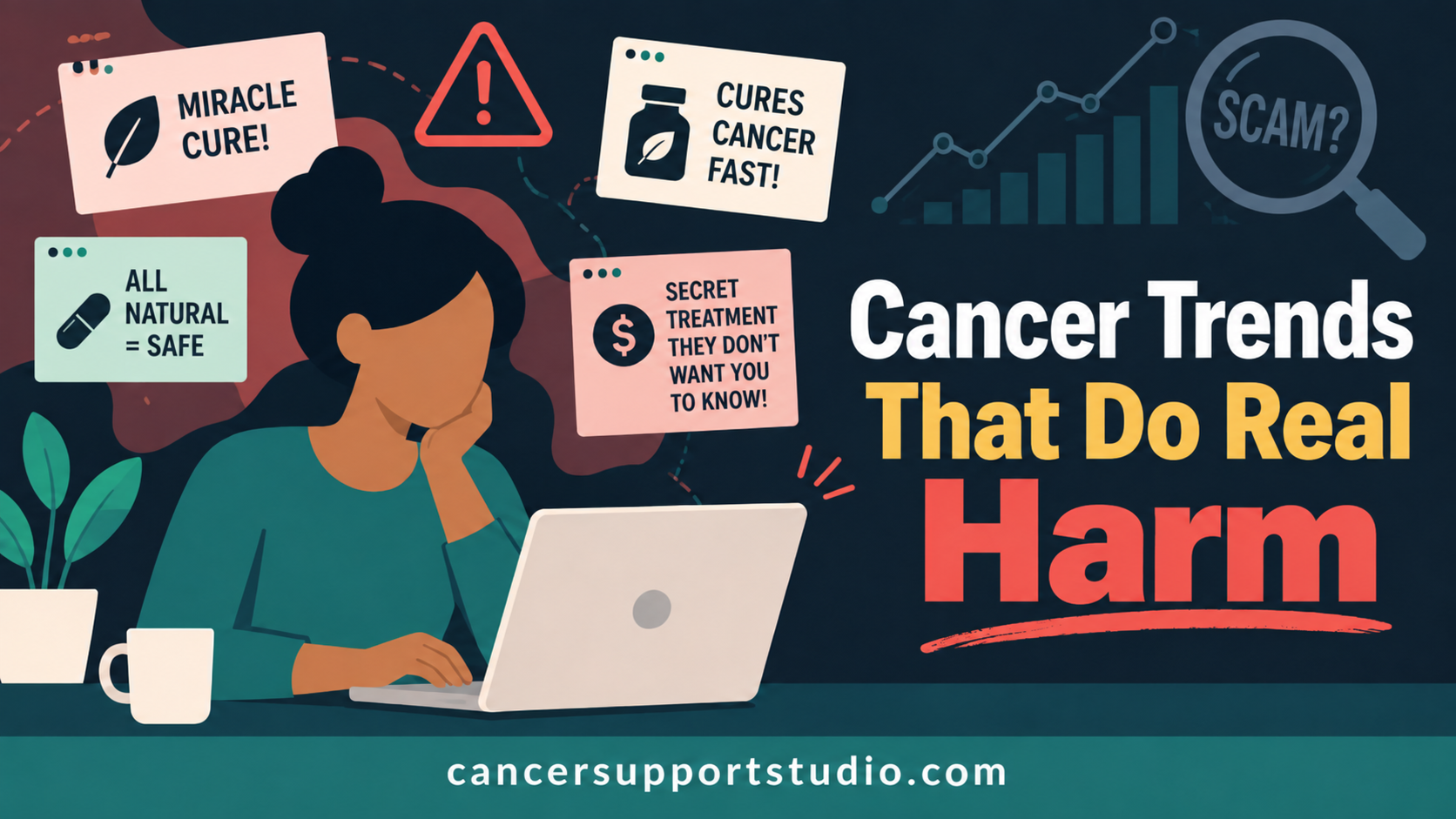
When I was diagnosed with bladder cancer, as soon as I started telling people, the unsolicited advice showed up fast. Ivermectin, THC oil, Soursop, coffee enemas; you know the ones that claim to cure cancer. All of it came from people who sounded certain, kind, and sure they knew something my doctors didn’t.
I was scared. I was waiting on pathology results and follow-ups. I’ll be honest, I looked into some of it. I am not embarrassed about that, and if you did the same, you shouldn’t be either.
Here’s what I understand now that I didn’t then.
They target you when you’re at your lowest
Cancer takes away your control. You wait, you get told to wait some more, then someone slides into your comments with a guaranteed answer. The FDA calls these products a cruel deception and says they’re rampant on all social media platforms. The agency lists the exact phrases to watch for, including “treats all forms of cancer,” “shrinks malignant tumors,” “more effective than chemotherapy,” and “cures cancer.” When you see those words, you’re looking at a sales pitch. Some sellers push it further and tell you to avoid surgery, chemo, or radiation. That’s where people get hurt the most.
The THC/CBD one got me
I hear it constantly. Hemp and Cannabis oil (RSO) cures cancer, the government knows, nobody will tell you. While I personally believe that THC/CBD can help alleviate some conditions or side effects, do I believe it is a cure? No, but I almost fell for it.
Here’s the actual picture. The National Cancer Institute says two cannabinoid drugs, dronabinol and nabilone, are FDA approved for nausea and vomiting caused by chemo. Cannabis and cannabinoids have been studied for pain, nausea, anxiety, and appetite loss. The FDA has not approved cannabis or cannabinoids to treat cancer. So it can help you feel better. It is not a cure. Those are two different claims, and the people selling oil online blur them on purpose.
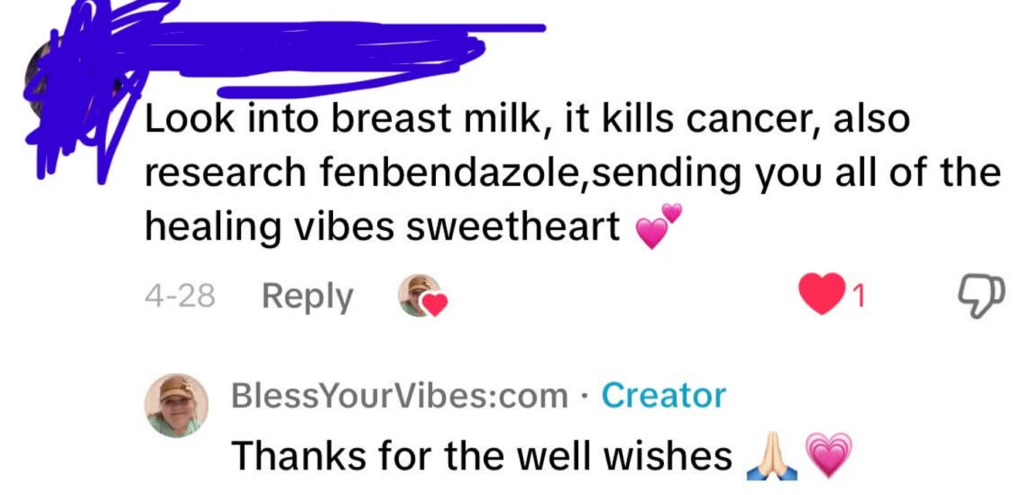
The home remedy list: Urine. Breast milk. Coffee enemas. Baking soda. Papaya tree leaf tea. Bee venom. Shark cartilage. Foot detox.
The root, vitamin, mineral list: Colloidal silver. Soursop. Parasite cleanses. Black seed oil. Bloodroot black salve. Vitamin [whatever} infusions. Mushrooms. Turmeric. Compounds.
Devices, energy, and frequency list: Frequency generators. Bio resonance devices. Magnet therapy. Ozone therapy. Grounding or earthing sheets. Red light therapy. Osmosis filtered water. EMF blocking products. Metaphysical crystals.
Clinic style scams: Offshore clinics. Stem cell “cures”. Live blood analysis. Thermography. Pay to play clinical trials.
In June 2026, the American Society of Clinical Oncology said there is no solid clinical evidence that ivermectin or fenbendazole is safe or effective for any human cancer. The hype comes from lab and animal studies. A petri dish is not a person.
Whatever is trending this month, typically you can search anywhere for cancer cures and a mega list will show up in the results with thousands of videos and articles with claims that it cures cancer. It is bad here. In places with less access to care, it spreads even faster.
A few on this list have legitimate uses outside of cancer treatment and have real supportive and well documented uses. The problem is the cure claim, not the tool. No major cancer center recommends any of them. The pattern is always the same. A story about someone who got better, no records, no follow-up, and a product or a program at the end.
The AI problem
AI gets things wrong, and that alone should slow you down. Still in its infancy phase, AI still brings a “Wow” factor and Ah-ha moment to those who have never used it. The bigger worry is what people can now fake with it. A scammer can generate a clinical study that looks real, complete with charts, footnotes, and a journal name you’d recognize. They can produce before and after scans. They can make a video of a doctor in a white coat, in a real looking exam room, explaining why the protocol works and why your oncologist won’t mention it. None of it exists, the doctor isn’t real, the study was never run, and the scan is a generated picture. Those who are desperate to survive and don’t recognize AI may fall victim to these scams.
When I was diagnosed, you could usually spot a scam by the bad website and the typos. That tell is gone in just the last 2 years. Now the check has to be the source, not the polish. Look up the study yourself, or search the doctor’s name and see if they exist from credible and reputable sources. If something looks professional, that no longer means a thing. If your gut says a treatment sounds strange, trust it is strange, then ask your oncology care team.
“Everything Causes Cancer” Is Its Own Kind of Misinformation
After my diagnosis, everyone (especially myself) wanted to know what caused it. Some of them asked me directly. Did you smoke? Do you think it was the Agent Orange? Did you drink out of plastic bottles? Did you microwave your food?
Nobody asked to be cruel. They asked because they were scared for themselves. If my cancer had a reason, theirs could be avoided. Scroll long enough and you’ll find someone claiming your shampoo, your bra, your phone, and your sadness all caused your tumor. It turns your whole house into a suspect list.
Two things get lost when everything is a cause. First, real risks get buried in the noise. Smoking, alcohol, HPV, radon, and sun exposure are actually worth your attention. Second, people with cancer end up combing through their own lives looking for the mistake they made. Most of the time there isn’t one.
Cancer Research UK keeps a page sorting out which cancer causes are backed by evidence and which are not. It’s a good bookmark for the next time someone sends you a scary post.
The most common false or overblown claims: Deodorants. Microwaves. Plastic. Cell phones, 5G towers. Burnt food. Underwire bras. Artificial sweeteners. Sugar. Fluoridated water. Routine x-rays. Aluminum.
The more obscure ones: Emotional trauma. Negative thinking. Acidic body pH. Chemtrails. Spiritual punishment. Bad energy. Unresolved past lives. Not drinking enough alkaline water. Vaccines. HPV and hepatitis B vaccines actually prevent cancer. That’s the opposite of the claim.
The one that makes me the angriest
Blaming patients. You weren’t positive enough. You didn’t eat clean enough. You didn’t meditate. You didn’t exercise enough. You didn’t (fill in the blank with whatever BS). Patient blame is the cruelest form of gaslighting.
The American Institute for Cancer Research says attitude and personality traits don’t significantly affect whether cancer comes back or how long someone lives. Hope makes hard days easier, it’s not a survival requirement. Your cancer is not a report card on your personality. And falling for a scam while terrified doesn’t make you foolish. It makes you human, and it means somebody took advantage of you.
What I tell people now: If it promises a cure, walk away. If the person telling you is selling it, walk away. If it tells you to skip or delay treatment, run. Bring anything you’re curious about to your oncology team, including supplements. I’m a patient advocate, not a doctor.
Keep sharing your stories, they help people. Just know the difference between a patient sharing what they live with and a stranger selling you hope by the bottle. If you need a starting point you can trust, I keep a growing list of vetted cancer support resources.
What got pitched to you after your diagnosis? Tell me in the comments. I’ll go first with the breast milk one.
#CancerSupport #HealthEquity #PatientAdvocacy #CancerMisinformation